Five years as Glamnetic’s data team, through new channels and a complete change in what the company sells.
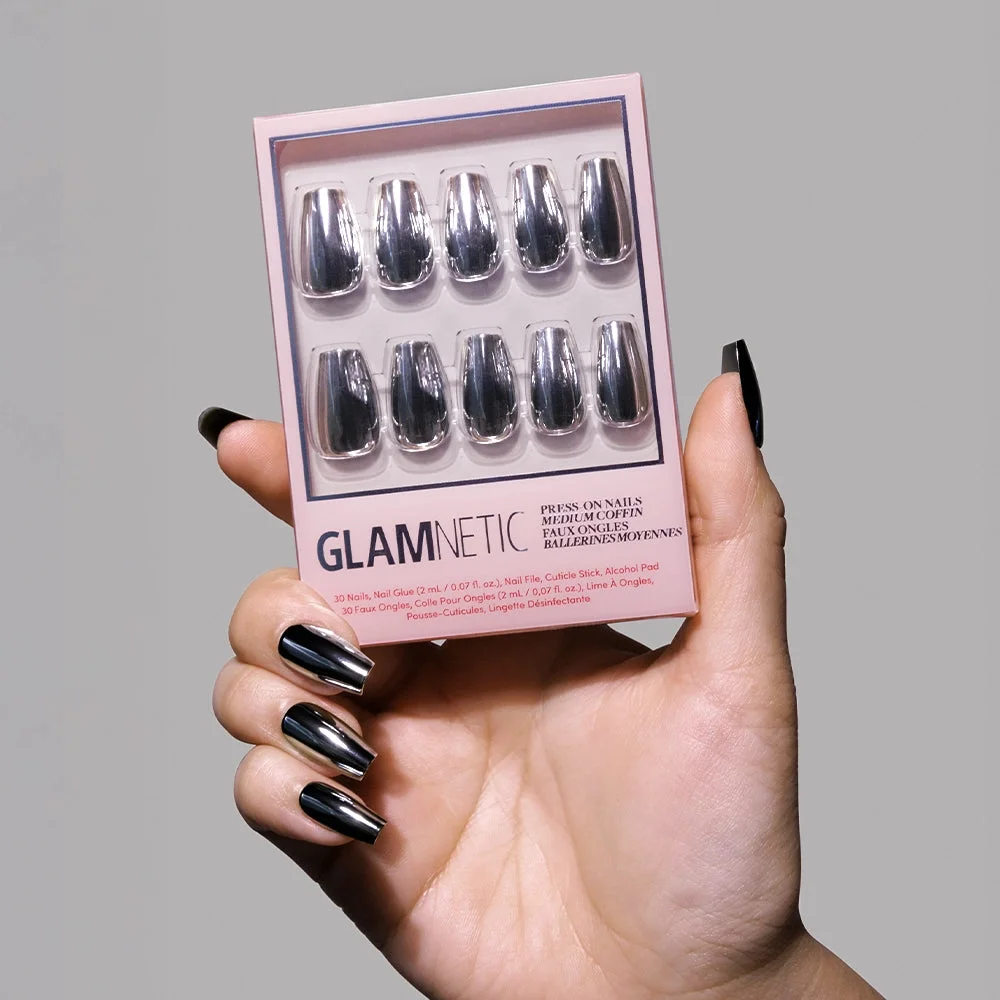
Glamnetic started as a magnetic-lash brand and is now best known for press-on nails, sold through its own store, on Amazon and TikTok Shop, and on shelves at Ulta, Sephora and Walmart. Orchard has looked after its data since 2021, through that change in the product line and every new channel that came with it.
The situation
A fast-growing brand selling through more channels every year.
Glamnetic went from a direct-to-consumer launch to selling across several channels within a few years. Early on, tracking the business in spreadsheets made sense: one store, a few ad accounts, a small team. That stops working as channels are added. Amazon brings its own fees and reporting. Retail brings purchase orders and store-level sell-through. Expanding into the UK brings a second store, a second 3PL and a second currency. Each channel came with its own systems: Shopify for the store, Seller Central for Amazon, TikTok Shop’s own dashboards, retailer portals and field-team sheets for stores, three 3PLs holding inventory, and a dozen advertising platforms.
Glamnetic wanted to keep the team small while it grew, which meant the reporting had to carry more of the load, not more people.
Over the same period, the business itself changed. Glamnetic launched as a magnetic-eyelash brand. Then the beauty market moved, and the team caught it early. They launched press-on nails, and Glamnetic is now one of the biggest sellers of press-on nails in the country. That raised a new set of questions: whether nails were growing fast enough to make up for lashes, which shapes and lengths were selling, and where inventory and marketing budget should go.
The finance team also had a basic question that was hard to answer: what did we actually make last month, by channel and by SKU, once fees, freight and returns are taken into account? The answer lived in several systems and had to be assembled by hand in a spreadsheet.
“We’ve worked with the Orchard team for over five years across multiple businesses, and they’ve consistently delivered data insights that are not only sharp and actionable, but also truly impactful for our business decisions.”
What changed
Orchard has been the data team since 2021.
Process
We started in 2021 with the Shopify store and the ad accounts. Since then we have added each channel as Glamnetic opened it: Amazon, then the UK store, then wholesale and retail, and more recently TikTok Shop and Walmart. Each one reports into the same view of the business, so a new channel shows up next to the others from the start.
The same people have been on the account throughout. When a retailer changes a feed or Amazon retires a report, we fix it, usually before anyone at Glamnetic notices.
One source, used differently by every team
The same model serves teams that work in very different ways. Part of the job is meeting each of them where they are, and getting the answer to them before they have to ask.
| Team | What they need to know | How they get it |
|---|---|---|
| Executive team | How the whole business did, by channel and by geography, with fees, discounts and returns treated the same way everywhere. | A centrally managed Omni dashboard each morning, one tab per channel and geography. We maintain the definitions behind it. |
| Ecommerce team | What went out of stock overnight, what is about to, what just came back, and which of those SKUs sell heavily on TikTok Shop so affiliates can be told. | A stock alert posted to Slack each morning before the team starts, with the list already sorted into out of stock, running low and back in stock. The thread under it is where the restock conversation happens. |
| Retail and operations | What shipped to Ulta, Sephora and Walmart against what sold off the shelf, by store and week. Which SKUs will run out before the next purchase order lands. Margin by channel after freight, fees and returns. | Sell-through, inventory and margin views in Omni, built on the same model, plus a daily inventory sync to the sheets the team already plans in. |
| Marketing | Which channels and campaigns bring in customers who come back, not just which are cheapest this month. | Spend next to the revenue and customers it drove, with payback by acquisition cohort. Modeled channel-level data sent from the warehouse to their incrementality provider. |
| TikTok | How the shop, the creators and the organic account are doing, together, in views of their own design. | Claude connected to the model through Omni’s MCP server. They build their own views, on the same numbers finance uses. |
| Amazon | Quick answers to specific questions about listings, ads and inventory. | Omni when a saved view exists, MCP when it does not. |
“Thanks to their guidance, our businesses are significantly more mature from a data infrastructure perspective — something that’s been critical to truly understanding performance and driving growth.”
The results
The business changed almost everything about itself. The reporting kept up.
The clearest test was the move from lashes to nails. Leadership could watch it in the weekly numbers: nail revenue against lash revenue by channel, which nail SKUs customers came back for, where stock was needed, and which campaigns were bringing in nail customers. The reporting let the team commit to the shift early and adjust as it played out.
Since then Glamnetic has added Amazon, TikTok Shop, Walmart and retail, expanded into the UK, and moved its reporting from Looker to Omni. None of those required starting over. Each time, the existing model was extended and the new numbers appeared next to the old ones, checked against what finance already trusted.
That is what five years with the same data team buys. We know how Glamnetic defines a sale, why a SKU was renamed, and what a retailer’s feed looked like before it changed. When the board or a retail partner asks for figures, they come from the same source the team uses every day.
If you are reading this from a similar seat
- You get people who have solved this before.
- Amazon fees, retail sell-through, TikTok Shop, 3PL inventory, marketing payback. We have modeled each of these for a multi-channel consumer brand already, and the second time is faster.
- Your teams keep working the way they work.
- A dashboard for the executive team, MCP for the people who want to build, data feeds for the vendors who need them. One model underneath, so the answers agree.
- The numbers hold when the business changes.
- A new channel, a new country, a new product line or a new BI tool extends the model rather than replacing it. Your reporting does not reset every time the business grows.